How the One Big Beautiful Bill Act is impacting the midterms
WASHINGTON (Gray DC) - Throughout the 2026 midterm election season, candidates have been speaking out about the impacts of the GOP’s One Big Beautiful Bill Act.
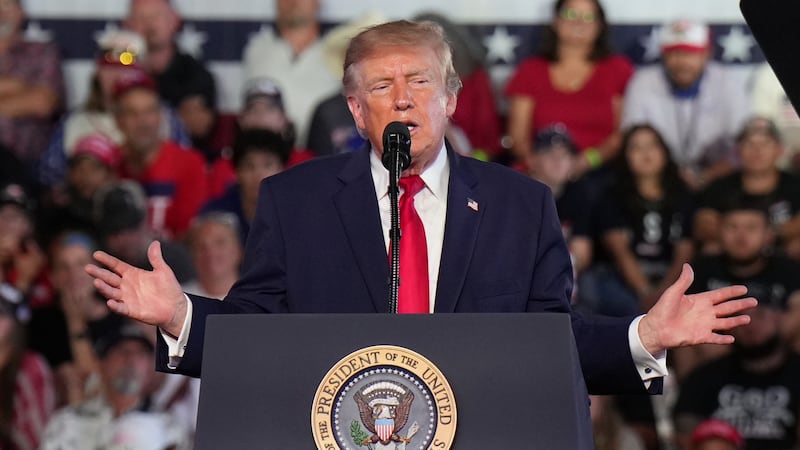
“With our Republican Congress, I signed a great, big, beautiful bill delivering the largest tax cuts in American history,” President Donald Trump said, at a midterm rally in Corpus Christi on Tuesday.
The law, that was signed by the president in July 2025, implemented several tax breaks for Americans and cut some social service programs.
Republicans have been touting the law throughout the election cycle, saying that it is helping Americans.
“Americans don’t know that there’s no tax on tips, no tax on overtime…” said Rep. Derrick Van Order, R-Wis, at the GOP’s midterm convention in September.
But George Washington University Professor Dr. Todd Belt said that the law is not making much of a difference for voters right now because of affordability concerns that are plaguing many people.
“That’s why affordability is the number one watchword,” he said. “Gasoline prices, grocery prices, health care, child care, all these things we’re hearing from voters who are saying that they just can’t make ends meet, whether they got a little bit of a tax cut or not. That’s just not making a dent in it.”
Democratic candidates have been highlighting other parts of the law, including its disproportionate benefits for high-income taxpayers.
In Texas, U.S. Senate candidate James Talarico has suggested repealing the law’s tax breaks for the top 1% of earners.
“...reversing the tax breaks for the top 1% in that big ugly bill, and giving that $1 trillion to the middle class in the form of a cost-of-living tax adjustment,” he said, in an interview in August. “And so these are policies that actually benefit Texans.”
The law also includes significant cuts and policy changes to Medicaid. Some voters say those changes will impact how they vote in the elections.
“It is definitely getting me to look much closer at candidates that are running,” said Amber Mader, a voter in Arkansas who relies on Medicaid and Social Security Disability.
Mader, who is disabled and paralyzed, said the programs that she relies, that provide home health care nursing and transportation services to appointments, have been reduced after the law’s passage.
“We’re not going to see a single cent in benefit from these tax cuts,” she said. “We are, however, dealing daily with severe difficulties and disruptions to basic services, things that are not optional for me because of this bill.”
Tax experts have also said that the law’s policy changes are unlikely to address cost-of-living issues.
“You know, it’s hard for tax policy to be used to directly tackle sort of immediate affordability issues,” said Elena Patel, co-director of the Urban Brookings Tax Policy Center.
Patel also said the law’s impacts will become more apparent over time.
“So some of the changes early on really benefited middle and lower class families,” Patel said. “But the longer we are into this bill, the more people will notice that it’s benefiting high income tax people.”
Copyright 2026 Gray DC. All rights reserved.